
When we talk about whole-house plumbing, we’re looking at the entire network that brings water into your home and drains it out properly. That includes every water line, drain line, shutoff valve, and fixture. If you’ve got old, leaking, or corroded pipes throughout your home, repiping the entire system might be the smartest move you can make.
Often the need for this results from low water pressure or corroded water lines influencing the taste of water.
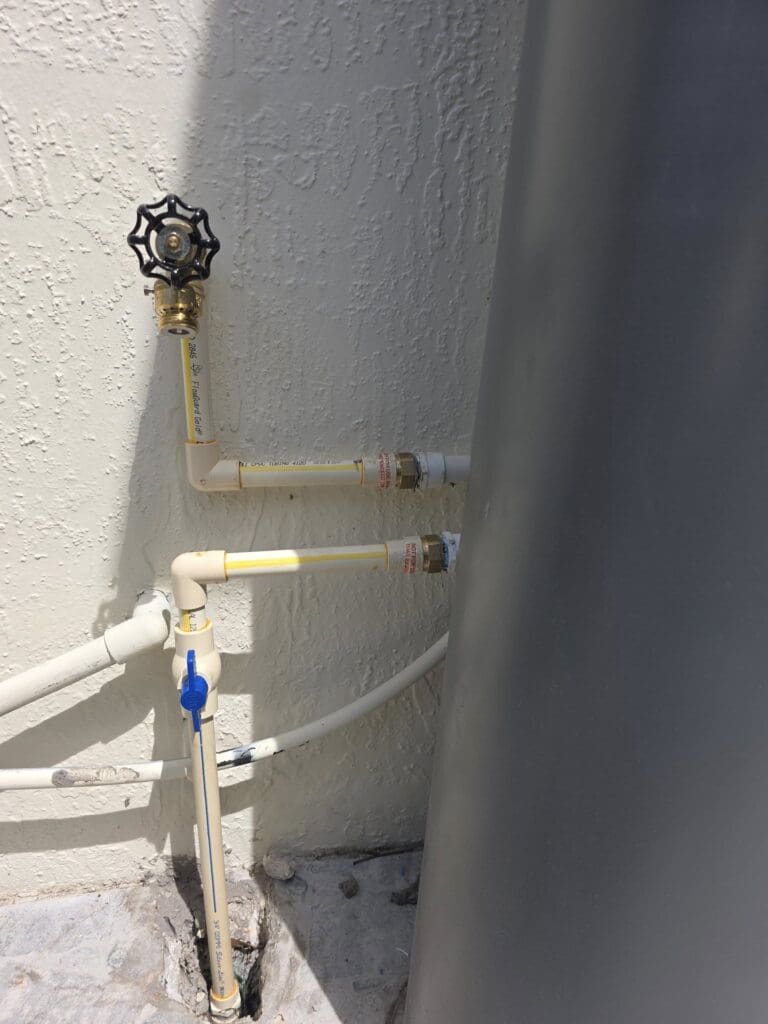
Whole-house repiping involves replacing all the water lines, hot and cold, that run throughout your property. That could include the kitchen, bathrooms, laundry room, and sometimes exterior lines as well. We assess your system from the main water line connection to every branch and outlet. Whether your home is made of copper, CPVC, galvanized steel, or something else, we can walk you through what needs to go and what’s still working.
In Florida, we see a lot of slab leaks and pipe corrosion, especially in older homes with galvanized or copper piping. Discolored water, low pressure, leaks behind walls, or a sudden jump in your water bill are early signs of trouble. Some homes also deal with polybutylene pipes, which were common decades ago and are known to fail without warning.
You can repair a pipe here and there, but once you start seeing consistent issues in multiple areas, it’s often more cost-effective, and less stressful long-term, to repipe the whole system. A full repipe means no more mystery leaks, no more patch jobs, and no more hidden damage slowly eating away at your home’s structure.
New pipes do more than just stop leaks. They improve your water pressure, deliver cleaner water, and extend the life of your fixtures and appliances. We use modern materials like PEX or Type L copper that are built to handle Florida’s humidity, shifting soil, and water chemistry. These pipes resist scale buildup, reduce the risk of bursting, and hold up well to long-term wear.
Replacing your system also brings your plumbing up to code, which can be a big deal if you’re planning to sell your home or remodel later. It’s one of those upgrades that improves both safety and resale value.
Even after repiping, it’s important to take care of your system. Make sure your water pressure stays within normal range, don’t ignore slow drains or unexplained moisture, and have your system inspected if you notice anything unusual.
We also recommend adding shutoff valves to key areas during repiping. That way, if something does go wrong, you don’t have to shut off water to the whole house. You can isolate just the problem area and deal with it quickly.
At Lowery’s Plumbing, we take pride in clean, efficient work. We’ll walk you through each step, keep the project on schedule, and make sure you’re never left guessing. Whole-house repiping may sound like a big job, but with the right team, it’s a straightforward process that brings peace of mind for years to come.